Winter and Smog Skincare in Pakistan: What to Change

If you live in Lahore, you know the routine: one week in late October the sky turns a flat grey-yellow, schools announce smog holidays, and your skin starts behaving differently. A little duller, a little rougher, maybe a few more breakouts. Then December arrives, the gas heater comes on, and dullness turns into tightness and flaking.
These are two separate problems landing at the same time — pollution and dry winter air — and they need slightly different fixes. Here is what is actually happening and what is worth changing.
What smog does to skin
Smog is mostly fine particulate matter (PM2.5) mixed with gases from traffic, industry and crop burning. The particles are small enough to settle on skin and into pores. Dermatology research has linked heavy pollution exposure to oxidative stress, a weaker skin barrier, and more pigmentation and dullness over time.
In everyday terms: pollution creates a constant low-level irritation. Skin that is already sensitive gets more reactive, dark spots fade more slowly, and many people notice a grey, tired look that no amount of sleep fixes.
What winter air does to skin
Cold air holds very little moisture, and indoor heating dries it further. Hot showers — very tempting in January — strip away the oils that keep water in your skin. The result is the classic winter pattern: tight after washing, flaky patches around the nose and mouth, rough elbows and knees, and cracked lips.
Put the two together and you get skin that is irritated and dehydrated. The routine below handles both.
1. Cleanse properly at night — but gently
The most important change in smog season is not adding a product. It is making sure you actually remove the day's pollution, sunscreen and makeup before bed. Particles left on skin overnight keep doing damage while you sleep.
If you wear sunscreen or makeup, a two-step cleanse works well: an oil or balm first to dissolve everything, then a gentle cleanser. Our double cleansing guide explains how. The key word is gentle — scrubbing harder or using a stronger face wash makes the barrier problem worse. Something like the CeraVe Hydrating Cleanser or COSRX Low pH Good Morning Gel Cleanser cleans well without stripping.
In the morning, a splash of lukewarm water or a quick, mild cleanse is usually enough.
2. Add an antioxidant in the morning
Antioxidants such as vitamin C and niacinamide help neutralise the oxidative stress that pollution causes, and both help with dullness and uneven tone over time. Apply after cleansing and before moisturiser. A vitamin C serum such as the CeraVe Skin Renewing Vitamin C Serum works well; if vitamin C stings your skin, The Ordinary Niacinamide 10% + Zinc 1% is a gentler alternative.
Store vitamin C serums away from heat and light, and replace them if they turn dark orange.
3. Switch to a richer moisturiser
The lightweight gel or lotion that was perfect in August is often not enough by December. This is the season for a cream with barrier-repairing ingredients:
- CeraVe Moisturizing Cream — ceramides and hyaluronic acid, works on face and body.
- Cetaphil Moisturising Cream — glycerin, niacinamide and panthenol, very gentle for sensitive skin.
Apply it on slightly damp skin, straight after cleansing or serum, to trap more water. If your skin is oily, you may only need the richer cream at night and can keep your lighter lotion for the day.
4. Keep wearing sunscreen — yes, in winter, and yes, in smog
Grey skies make it feel pointless, but the UVA rays that cause pigmentation and ageing pass through clouds and haze. Research also suggests pollution and UV damage add to each other. If you are trying to fade dark spots, skipping sunscreen in winter quietly undoes the work. A comfortable everyday option such as the Beauty of Joseon Relief Sun SPF50+ layers well over a winter moisturiser. More detail is in our sunscreen guide.
5. Go easier on strong actives
Retinol, glycolic acid and other exfoliants are still useful in winter, but irritated, dry skin tolerates less. If you are using something like The Ordinary Glycolic Acid 7% Toning Solution or a retinoid every night and your skin starts stinging, drop to every second or third night until it settles. Our retinol beginner's guide covers how to build tolerance.
6. The small things that add up
- Lukewarm water, not hot, for both your face and your shower.
- A bowl of water near the heater or a humidifier in the bedroom adds some moisture back to the air.
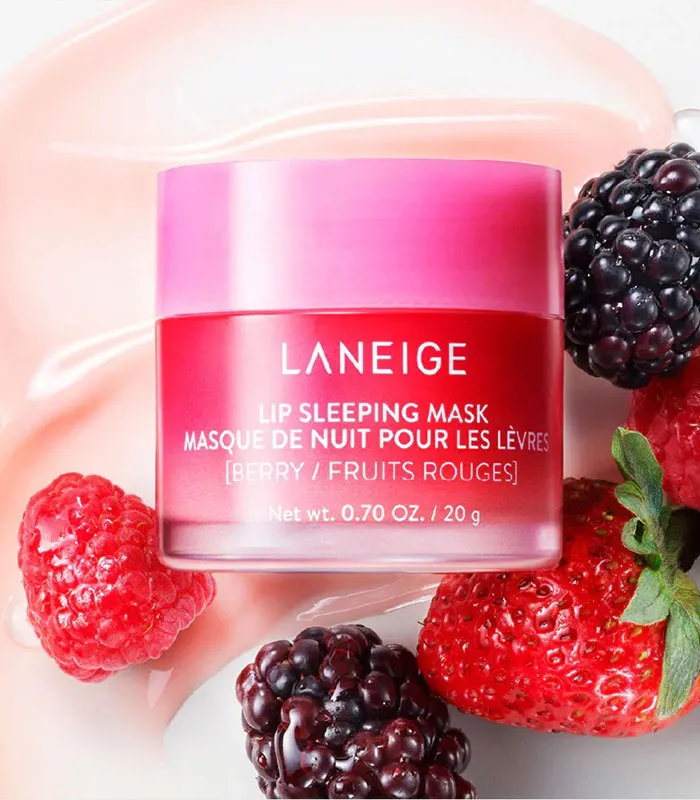
- Lip balm before bed, not only during the day.
- Rough elbows, knees and heels: a urea cream such as the CeraVe SA Smoothing Cream softens them far better than scrubbing.
- A mask outdoors on bad smog days protects your lungs first — but change it often, because a damp, dirty mask rubbing on skin can trigger breakouts along the jaw.
A simple smog-season routine
Morning: lukewarm rinse or gentle cleanser → vitamin C or niacinamide → moisturiser → sunscreen.
Night: oil or balm cleanse (if you wore sunscreen or makeup) → gentle cleanser → treatment (retinol or acid, a few nights a week) → rich moisturiser.
None of this needs a twelve-step routine or expensive products. What matters is removing the pollution every night, protecting skin every morning, and giving it more moisture than you think it needs until the weather turns in February.
If your skin is reacting badly and you are not sure which step is the problem, message us on WhatsApp with what you are using. We are happy to look at your routine and suggest what to remove before suggesting anything to add.