The Complete Sunscreen Guide for Pakistan: How to Choose the Right SPF for Your Skin Type
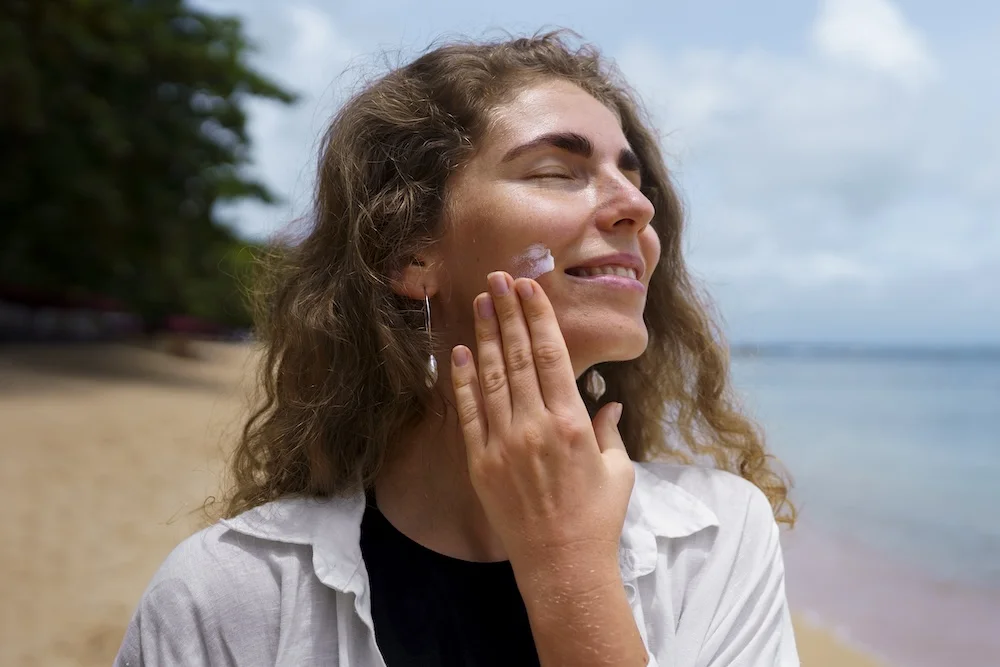
If there is one skincare product dermatologists unanimously agree on, it is sunscreen. Not retinol. Not Vitamin C. Not the most expensive serum on the market. Sunscreen — every single day, rain or shine, whether you go outside or sit near a window.
And yet, most people in Pakistan skip it entirely.
The result? Premature ageing, dark spots, uneven skin tone, and in serious cases, increased skin cancer risk. The good news is this damage is almost entirely preventable. This guide will teach you everything you need to know about sunscreen so you can find the perfect one for your skin — and actually use it.
What Does SPF Actually Mean?
SPF stands for Sun Protection Factor. It measures how well a sunscreen protects your skin from UVB rays — the rays responsible for sunburn and a major cause of skin cancer.
- SPF 15 blocks about 93% of UVB rays
- SPF 30 blocks about 97% of UVB rays
- SPF 50 blocks about 98% of UVB rays
The difference between SPF 30 and SPF 50 seems small on paper, but for people with hyperpigmentation, acne marks, or sensitive skin — that extra protection matters a lot.
Our recommendation for Pakistan's climate: minimum SPF 50. With intense UV exposure for most of the year, SPF 30 simply is not enough.
UVA vs UVB: Why You Need Both
Here is something most people do not know: SPF only measures UVB protection. But UVA rays — the ones that penetrate deeper into the skin — cause premature ageing, dark spots, and collagen breakdown.
To protect against UVA, look for:
- PA rating (PA+, PA++, PA+++, PA++++) — the more plus signs, the better UVA protection. Korean sunscreens are particularly good at displaying this.
- "Broad Spectrum" label on Western sunscreens — this means UVA + UVB coverage
Chemical vs Mineral Sunscreen: Which is Better?
This is one of the most common questions in skincare. Here is a simple breakdown:
Chemical Sunscreen
Absorbs UV rays and converts them to heat. Usually lighter in texture, blends seamlessly into skin, no white cast. Best for people with normal to oily skin who want an everyday wear sunscreen.
Mineral (Physical) Sunscreen
Sits on top of skin and reflects UV rays. Contains zinc oxide and/or titanium dioxide. Ideal for sensitive skin, acne-prone skin, and people who react to chemical filters. Tends to be thicker but newer formulas have solved the white cast problem significantly.
The CeraVe Hydrating Mineral Sunscreen SPF 50 is a perfect example of a modern mineral formula — gentle enough for sensitive and acne-prone skin, non-comedogenic, and enriched with hyaluronic acid and niacinamide to hydrate while protecting.
For those who prefer a tinted option, the CeraVe Hydrating Mineral Sunscreen SPF 30 Sheer Tint offers a subtle skin-evening effect while providing broad-spectrum protection.
Choosing Sunscreen for Your Skin Type
Oily and Acne-Prone Skin
Look for: oil-free, non-comedogenic, matte-finish, lightweight gel or fluid formulas.
The CeraVe AM Oil-Free Facial Moisturizing Lotion SPF 30 doubles as a moisturiser and sunscreen — perfect for a streamlined morning routine. It is oil-free, contains niacinamide to control shine, and will not clog pores.
Korean beauty sunscreens are famous for their lightweight, skin-friendly formulas. The Some By Mi Truecica Aqua Calming Suncream SPF 50 is a standout — it soothes irritated skin, controls sebum, and feels like water on the skin. Zero white cast, no greasiness.
Dry and Dehydrated Skin
Look for: hydrating ingredients like hyaluronic acid, ceramides, or glycerin. Cream or lotion formulas work best.
The CeraVe Hydrating Mineral Sunscreen SPF 50 is formulated with three essential ceramides and hyaluronic acid — it provides sun protection while actively restoring the skin barrier and locking in moisture.
Sensitive Skin
Mineral sunscreens are your safest bet. Avoid alcohol-heavy formulas and fragrances. The AXIS-Y Complete No Stress Physical Sunscreen SPF 50 is one of the best gentle sunscreens available — 100% mineral filters, centella asiatica to calm redness, and a formula developed specifically for reactive skin.
Combination Skin
Fluid or gel-cream textures work best. The Beauty of Joseon Relief Sun: Rice + Probiotics SPF 50 has become a cult favourite for a reason — the rice extract brightens skin while probiotics strengthen the barrier, and the finish is a beautiful semi-matte glow that works on virtually every skin type.
Dark Spots and Hyperpigmentation
Any sunscreen will help, but look for added brightening ingredients. The The Ordinary Mineral UV Filters SPF 30 is a clean, no-frills mineral option that pairs perfectly with brightening serums underneath.
How Much Sunscreen Should You Actually Apply?
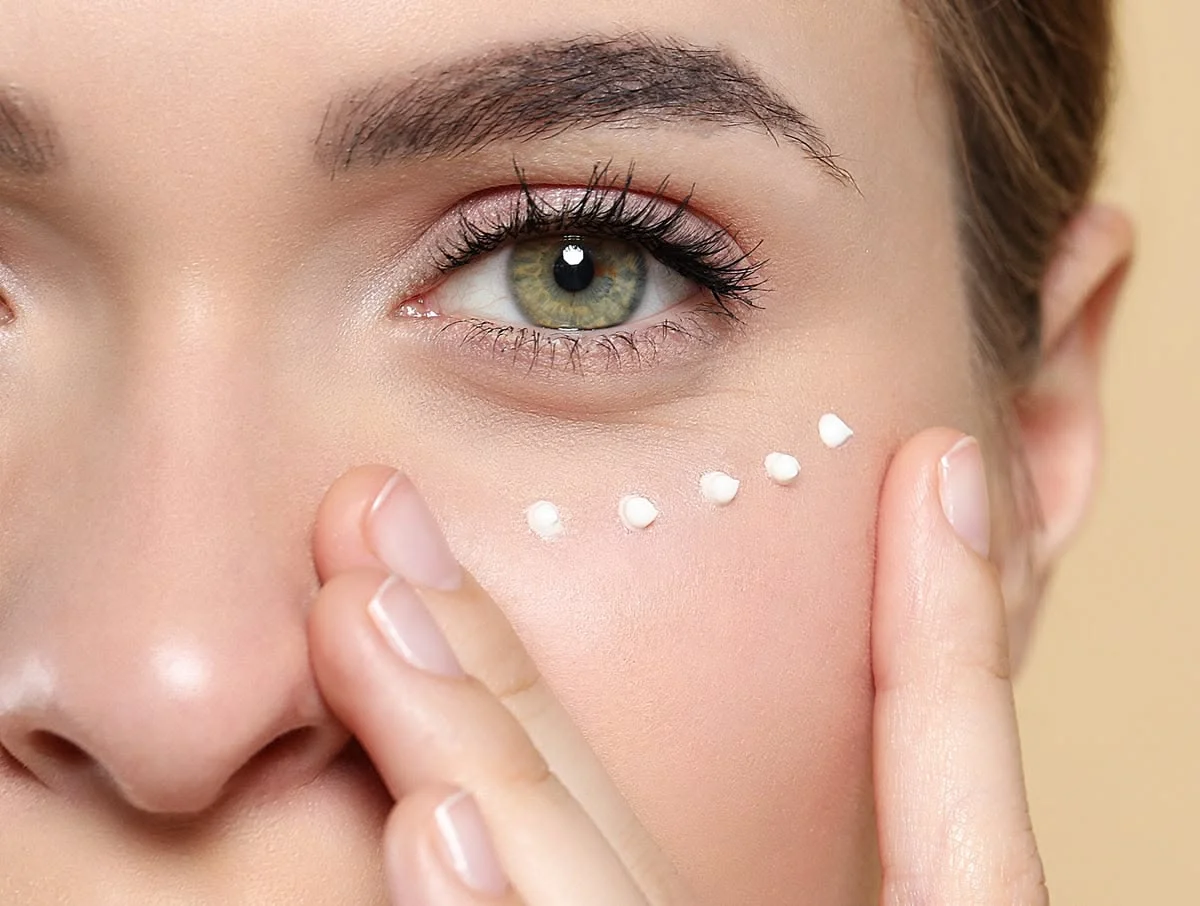
This is where most people go wrong. The standard recommendation is ¼ teaspoon (about 1.5ml) for the face alone. Most people apply 20–50% of the required amount, which means their actual SPF protection is much lower than the label claims.
A simple trick: the "two finger rule" — squeeze sunscreen along the length of your index and middle finger. That is roughly the right amount for your face and neck.
When and How Often to Reapply
- Apply sunscreen as the last step in your morning skincare routine, before makeup
- Apply at least 15–20 minutes before sun exposure
- Reapply every 2 hours if you are outdoors
- Reapply after swimming or sweating
- Yes — reapply even on cloudy days. UV rays penetrate clouds.
The Most Common Sunscreen Mistakes
- Skipping it on cloudy days — up to 80% of UV rays pass through clouds
- Not applying enough — most people use half the recommended amount
- Relying on SPF in makeup — foundation SPF is not applied thickly enough to count as real sun protection
- Skipping the neck and chest — these areas age fastest and are almost always forgotten
- Storing sunscreen in the car — heat degrades the UV filters
Frequently Asked Questions
Do I need sunscreen indoors?
Yes. UVA rays — responsible for skin ageing and pigmentation — penetrate glass windows. If you sit near a window or in a well-lit office, sunscreen protects you.
Can I use the same sunscreen for body and face?
You can, but facial sunscreens are formulated to be lighter and non-comedogenic. Using a thick body sunscreen on your face may cause breakouts or feel heavy.
Does sunscreen cause vitamin D deficiency?
Research shows that typical sunscreen use in everyday life does not cause vitamin D deficiency — most people get incidental sun exposure that is more than enough.
Which is the best sunscreen for oily skin in Pakistan?
The Some By Mi Truecica Aqua Calming Suncream and the Beauty of Joseon Relief Sun are both excellent choices for oily skin — lightweight, non-greasy, and no white cast.
Sunscreen is the single highest-return investment you can make in your skin. It prevents ageing. It prevents dark spots. It protects everything else in your skincare routine from being undone by UV damage. Whatever else you do in skincare — do not skip this step.